
Things to Do in Valletta
A walk-first guide to Valletta’s best experiences: landmark highlights, harbour viewpoints, museums, and the small street moments that make the city special.
Photo by Nick Fewings on Unsplash
Last updated:
Highlights
- ✦St John’s Co‑Cathedral (and Caravaggio in the Oratory)
- ✦Upper Barrakka Gardens + Grand Harbour viewpoints
- ✦A slow loop along Republic Street and Merchant Street
- ✦Fort St Elmo for history + sea views
- ✦A ferry hop to the Three Cities or Sliema for a new angle
- ✦A 2‑day plan that keeps the city relaxed (not checklisty)
- ✦A rainy-day version and a hot-weather version (same city, smarter rhythm)
At a glance
- Best for
- First-time visitors + short stays
- Time needed
- 1–2 days (plus ferry detours)
- Getting around
- On foot (hills + steps)
- Don’t miss
- Harbour views near sunset
Map: Valletta highlights
Use this map as a walkable shortlist: the cathedral, the Barrakka viewpoints, and a few easy detours for food, history, and sea views.
Map data © OpenStreetMap contributors. Tiles/style via OpenFreeMap.
A simple 1‑day Valletta plan
Valletta is compact enough that you can “do the highlights” without rushing—if you anchor your day around one major visit and treat the streets as the attraction in between.
Start at City Gate, walk up Republic Street, dip into side streets for balconies and doors, then aim for Upper Barrakka Gardens for the classic harbour view. From there you can descend to the waterfront (via the Barrakka Lift) for a promenade and ferry detour before returning to the city core for dinner.
- Morning: City Gate → Republic Street → St John’s Co‑Cathedral
- Midday: Merchant Street → lunch stop (market hall or casual terrace)
- Afternoon: MUŻA / Grand Master’s Palace (check access) / museums
- Late afternoon: Upper Barrakka Gardens + viewpoints
- Evening: Waterfront promenade → Strait Street for drinks, or a quiet bastion walk
Tours & experiences for this trip
Experiences that fit this guide. Check the current itinerary, pickup, prices and cancellation conditions for your dates before booking.
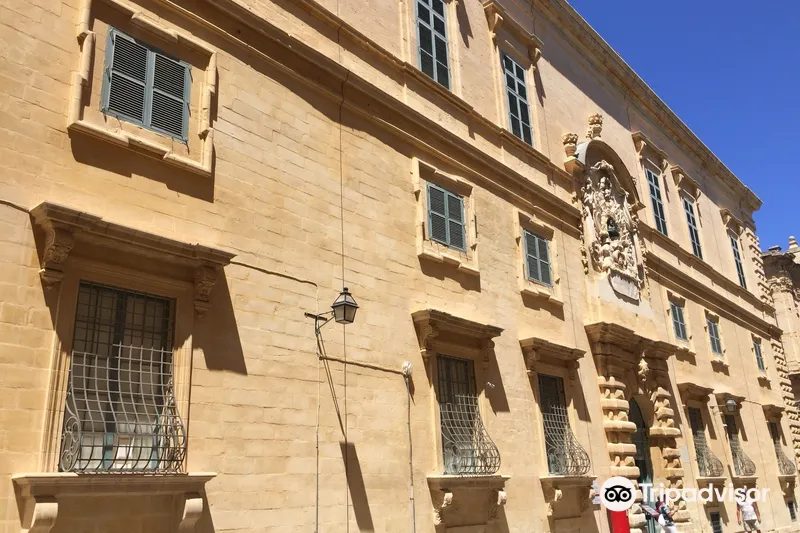
Valletta City Walking Tour
A guided two-hour loop through the capital — Republic Street, the Knights' auberges, the Merchant Street market and the Upper Barrakka Gardens harbour view, finishing by the Grandmaster's Palace.
Check current prices and conditions on Trip.com.
Check availability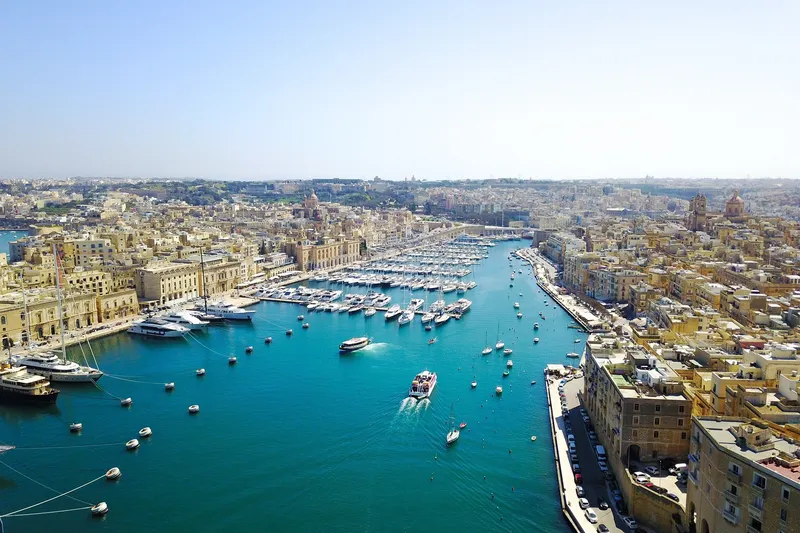
Valletta Grand Harbour Cruise
Glide around the Grand Harbour past Valletta's honey-coloured bastions, the Three Cities and Fort St Angelo. Five sailings a day — the evening (~6pm) departure lines up with golden hour over the ramparts.
Check current prices and conditions on Trip.com.
Check availability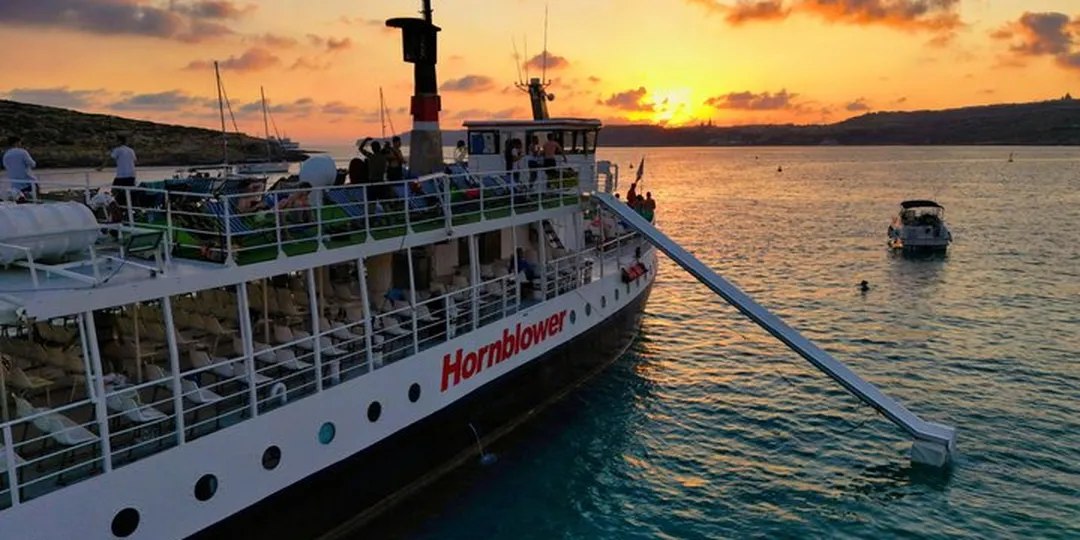
Sunset Cruise to Comino's Blue Lagoon
A late-afternoon sail to Comino's turquoise Blue Lagoon, timed to catch the sunset on the way back across Malta's clearest water. It leaves from Bugibba rather than Valletta, but it's an easy add-on to any trip.
Check current prices and conditions on Trip.com.
Check availabilityAffiliate disclosure: links above are partner links. If you book through them we may earn a small commission at no extra cost to you — it helps keep this guide free. We only feature experiences we'd genuinely recommend. See our editorial policy.
If you only have 4–6 hours: the ‘Valletta feeling’ loop
If time is tight, don’t try to do everything. Build a loop that hits what Valletta does best: streets, one major interior (optional), and one iconic harbour viewpoint.
This works beautifully for short stays and for cruise-stop-style visits—because you’re not gambling your day on queues.
- City Gate → Republic Street + side-street detours
- Optional anchor: St John’s Co‑Cathedral (only if timing works)
- Merchant Street block for lunch energy
- Upper Barrakka Gardens for the Grand Harbour panorama
- Optional: short waterfront walk at blue hour, then return via lift
Landmarks worth planning around
Valletta’s best-known sights are close together, which means timing matters more than transport. Aim for your ‘big ticket’ visit early, then use the rest of the day for viewpoints and slow wandering.
If you want one landmark that feels uniquely Valletta, prioritize St John’s Co‑Cathedral for its baroque interior and the Oratory where Caravaggio’s work draws visitors from around the world.
- St John’s Co‑Cathedral: baroque interior + the Oratory (arrive early)
- Upper Barrakka Gardens: iconic Grand Harbour viewpoint
- Fort St Elmo: maritime edge of the city + military history
- Lascaris War Rooms: underground WWII operations complex
- MUŻA: Malta’s national community art museum in an auberge setting
Pick your Valletta theme (so the day feels intentional)
Valletta can be many things in one day: art-forward, history-forward, romance-forward, or food-forward. If you pick a theme, the city stops feeling like a list and starts feeling like a story.
Choose one anchor experience, then let the rest of the day be streets and viewpoints. That’s how Valletta stays elegant instead of exhausting.
- First-timer classic: cathedral + Barrakka → waterfront sequence
- History depth: Fort St Elmo + war rooms + harbour context
- Food day: cafés + market hall + one booked dinner (keep the rest spontaneous)
- Photo day: side streets + sea edge + golden hour viewpoints
Views, gardens, and golden hour
Valletta is built for viewpoints. Look for terraces and bastions along the harbour-facing side—especially near Upper and Lower Barrakka—where the city opens out across the water to the Three Cities.
For sunset, the best experience is often a sequence rather than a single spot: start in the gardens, take photos from the bastions, then descend for the waterfront atmosphere as the sky turns coral.
- Upper Barrakka Gardens for the ‘postcard’ view
- Lower Barrakka for a quieter pause (often less crowded)
- Harbour-side bastions for wide-angle photos
- Fort St Elmo edge for open sea + city walls
Harbour detours (the secret to making Valletta feel bigger)
Because Valletta sits on a peninsula, the water is your shortcut and your perspective shift. A short ferry ride can refresh the day without adding complexity.
Use ferries for quick ‘two-city’ afternoons: walk Valletta in the morning, cross the harbour for lunch or a golden-hour stroll, then return for dinner and evening ambience.
- Ferry to Sliema: easy skyline views back toward Valletta
- Ferry to the Three Cities: historic waterfront promenades across the harbour
- Traditional dgħajsa: a classic way to cross the Grand Harbour by boat
A relaxed 2‑day Valletta plan (what to do with the extra day)
Two days is where Valletta becomes truly enjoyable. You can do the cathedral without rushing, take a sea-edge walk, and still have time for museum depth and ferry perspective swaps.
The key is not adding more ‘musts’. It’s repeating the best parts at better light: viewpoints and walking sequences.
- Day 1: cathedral + main streets + Barrakka golden hour
- Day 2: Fort St Elmo / war rooms / MUŻA + a ferry detour (Sliema or Three Cities)
- Both days: one café slow hour and one viewpoint block
Rainy day Valletta: indoor anchors + short micro-walks
Valletta still works in rain because it’s compact and full of interiors worth the ticket. The trick is choosing one or two strong indoor anchors, then doing short ‘micro-walks’ when the rain softens.
Think: cathedral or museum, then war rooms, then a long café lunch. Save the viewpoints for a clearer evening if you get one.
- Anchor interior: cathedral or museum
- Deep visit: war rooms (great in bad weather)
- Comfort move: long café pause or market hall lunch
- If skies improve: quick viewpoint stop, then back indoors
Practical tips to make the day effortless
Valletta is walkable, but it’s not flat. Shoes matter; so does pacing. Build in shade and water breaks, especially in warmer months, and keep your schedule light enough for spontaneous side-street discoveries.
If you’re visiting multiple sites, check each attraction’s last entry time. It’s common to underestimate how long you’ll want to linger at viewpoints and in museum courtyards.
- Wear grippy shoes: steps, slopes, and polished stone are common
- Book or arrive early for the cathedral to avoid peak queues
- Keep one ‘slow hour’ for wandering without a map
- Use the lift to save your legs when moving between city and waterfront
Common mistakes (and the fix)
Valletta is small enough that it’s easy to overdo it. Most problems are simple: too many interiors, not enough breaks, and viewpoints treated like quick photo stops instead of the main experience.
Fix the rhythm and Valletta feels luxurious—even on a short stay.
- Mistake: stacking multiple big interiors → Fix: choose one anchor visit per day
- Mistake: ignoring hills → Fix: group waterfront time and return via lift or taxi
- Mistake: doing viewpoints too early → Fix: save Barrakka for late light and stay into blue hour
- Mistake: skipping a slow hour → Fix: plan one café reset daily
FAQ
Is Valletta walkable in one day?
Yes—you can cover major landmarks and viewpoints in a day. Two days is better if you want museums, the Three Cities, and slow street time without rushing.
What’s the single must‑see sight in Valletta?
Most visitors prioritize St John’s Co‑Cathedral for its interior and the Caravaggio painting in the Oratory, then pair it with Upper Barrakka Gardens for the harbour view.
Do I need a car in Valletta?
No. Valletta is best experienced on foot, with ferries and taxis for quick detours. Parking is limited and the streets are compact.
What’s the best free thing to do in Valletta?
A harbour viewpoint sequence at golden hour into blue hour: Upper Barrakka → bastion edges → waterfront. It’s the classic Valletta mood and it costs nothing.